
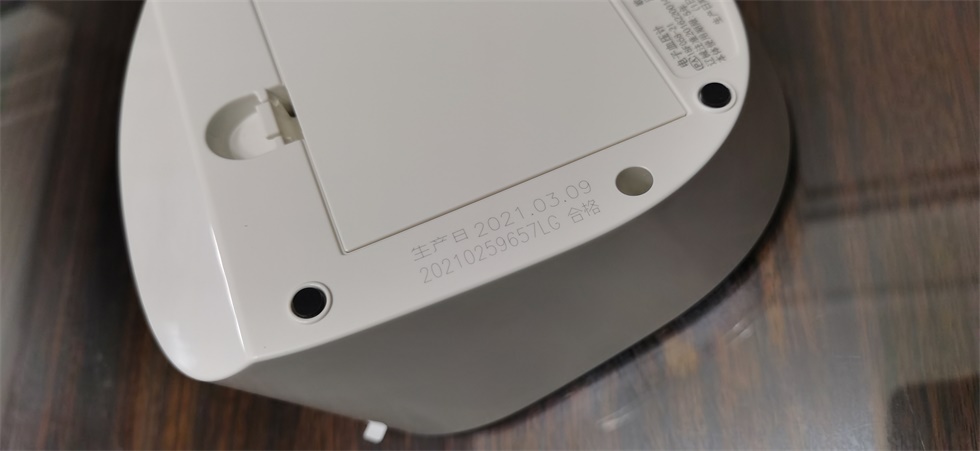
In the medical device industry, the accuracy and permanence of product identification have become core quality attributes. As regulatory oversight intensifies and traceability requirements expand globally, manufacturers are increasingly adopting laser character marking as a standard solution for permanently marking instruments, implants, and disposable components. This shift is driven by a combination of technical performance, production efficiency, and compliance mandates.
Contents
Why Laser Character Marking Is Essential for Medical Devices
Laser marking has emerged as the preferred marking technology in medical manufacturing for several compelling reasons:
Permanent, High-Contrast Marks
Medical devices must carry information that remains legible throughout their entire lifecycle — including repeated sterilisation, handling, and use in clinical environments. Laser marking achieves this through direct surface modification, creating marks that are resistant to abrasion, corrosion, and sterilisation processes that destroy inks and labels.
Non-Contact and Sterile
Laser character marking makes contactless marks, which ensures that delicate or sterile surfaces are not mechanically stressed. The absence of consumables such as inks, adhesives, or chemical etchants eliminates potential contamination and is compatible with cleanroom and sterile manufacturing environments.
Material Versatility and Precision
Modern laser systems can precisely mark a wide range of materials used in medical products — from stainless steel and titanium used in instruments and implants to polymers and silicones used in catheters and disposables. Thanks to micron-level spot sizes, laser marking can produce fine text, barcodes, and complex data matrices on both flat and curved surfaces, ensuring readability even in challenging layouts.
Applications Across the Medical Device Spectrum
Laser character marking is now standard practice across many medical product categories:
- Surgical Tools: Serial numbers, part identifiers, and traceable codes etched into metals that withstand repeated sterilisation.
- Implants: Unique identifiers on curved titanium or cobalt-chromium surfaces that remain legible over years.
- Plastic Consumables: Clear, non-damaging markings on catheters, tubing, syringes, and other disposables.
- Micro Devices: Ultra-fine markings on tiny components and assemblies that would be impossible with traditional marking technologies.
Traceability is not just a manufacturing convenience — it is a regulatory requirement in many regions. Standards such as the U.S. Unique Device Identification (UDI) system require permanent, machine-readable marks on a growing list of medical devices, enabling efficient recall tracking, supply chain transparency, and post-market surveillance.
Meeting Regulatory and Quality Requirements
Regulations in major markets now mandate robust traceability mechanisms for medical devices. In the U.S., the Food and Drug Administration’s UDI system requires that most higher-risk devices carry unique, permanent identifiers. In the European Union, similar traceability requirements are enforced under the Medical Device Regulation (MDR). Failing to meet these standards can result in market access restrictions, recalls, or legal exposure. Laser character marking stands out because it inherently meets the permanence, legibility, and traceability criteria outlined in these regulatory frameworks.
Integration Into Modern Production Floors
Laser marking systems have evolved from standalone machines to integrated production tools capable of operating in high-volume environments:
- Automated Line Compatibility: Laser markers can be synchronized with conveyors, vision systems, and robotic handling to facilitate uninterrupted production.
- Vision-Assisted Alignment: Integrated vision systems ensure that only the correct components are marked in the right location, reducing scrap rates and avoiding costly errors.
- Data Connectivity: Advanced systems can interface with manufacturing execution systems (MES) and enterprise resource planning (ERP) tools to embed dynamic data — such as batch numbers and timestamps — into marks automatically.
This level of automation supports lean manufacturing initiatives and minimizes reliance on manual intervention, reducing error rates and increasing throughput.
Benefits Beyond Compliance
While legality and traceability drive adoption, laser character marking also improves operational performance:
- Reduced Waste: By precisely verifying part identity before marking, integrated systems minimize the risk of marking the wrong part or applying incorrect data.
- Lower Cost of Ownership: Although initial capital costs can be significant, lasers eliminate ongoing consumable expenses (e.g., inks, labels) and require less maintenance than contact or chemical methods over time.
- Enhanced Quality Control: Permanent marks support downstream inspection, inventory management, and automated sorting, contributing to overall quality improvements.
Personal Perspective
From a production engineering viewpoint, laser character marking is no longer optional in serious medical device manufacturing — it’s a strategic necessity. Its ability to deliver permanent, verifiable, and regulation-ready marks directly addresses both compliance and operational efficiency. Manufacturers that invest early in robust laser marking infrastructure not only avoid costly retrofits but also gain a competitive edge through better data integrity, reduced waste, and faster time to market.
Conclusion
High-precision laser character marking has established itself as the industrial standard for medical device identification. By combining non-contact, permanent marking with industry-leading precision and integration options, laser technology satisfies stringent regulatory demands while driving efficiencies in high-volume medical manufacturing. With global traceability requirements tightening across markets, laser marking is a long-term investment that delivers measurable gains in quality, compliance, and production performance.