
In a world where supply chain integrity and anti-tampering assurance are no longer optional, the ways products are protected and authenticated have evolved dramatically. Security seals — from bolt and cable seals for intermodal freight containers to tamper-evident plastic pull-tight tags — are the first line of defense against unauthorized access, theft, and fraud. Traditional methods like pad printing or ink stamps simply cannot meet today’s traceability, permanence, and anti-counterfeiting expectations. Laser marking has emerged as a proven technology that adds resilience, data depth, and cost control to security seal production and deployment.
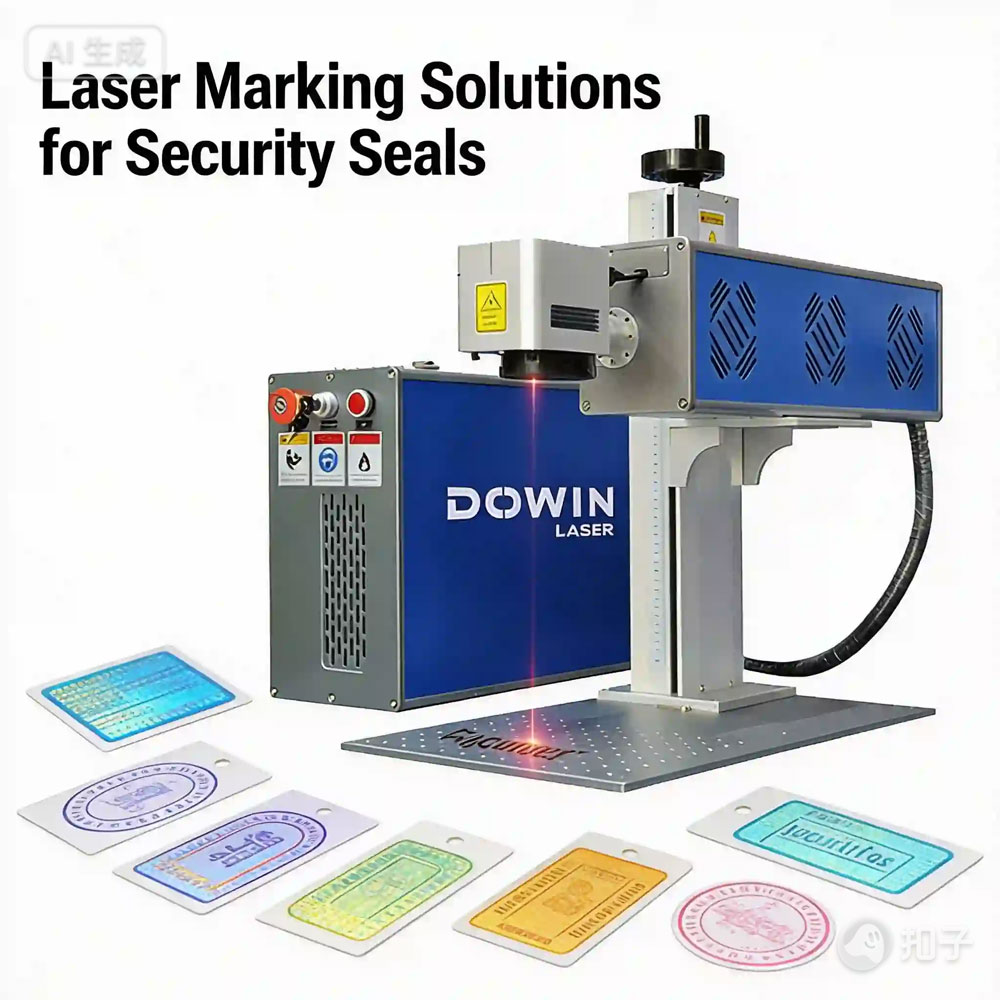
This article reframes the typical product overview into an industry-level analysis that explains why laser marking is more than a technology trend — it’s a strategic answer to regulatory pressure, material complexity, and global security demands.
Contents
- 1 The Real Stakes: Why Security Seals Matter
- 2 Why Laser Marking Beats Traditional Methods
- 3 Traceability by Design
- 4 Material Diversity Is No Longer a Constraint
- 5 Tamper Evidence Beyond Numbers
- 6 Operational Efficiency and Cost Rationalization
- 7 Strategic Integration with Modern Manufacturing
- 8 The Larger Context: Counterfeiting and Global Supply Chains
- 9 A Forward-Looking Perspective: Beyond Static Marks
- 10 Conclusion: Laser Marking as a Competitive Necessity
The Real Stakes: Why Security Seals Matter
Security seals are used to show whether an object — cargo, meters, cash bags, trailers, or restricted storage — has been tampered with or opened without authorization. They are visibility points in a system that must be nearly impossible to alter unnoticed. A properly marked seal carries:
- A unique identity (serial numbers, QR codes, barcodes)
- Indicators of origin (manufacturer, batch)
- Traceability back through logistics and quality control
- Anti-counterfeiting elements designed to resist forgery
These functions are not academic. When regulators and end customers audit compliance — such as ISO 17712 “high security” compliance in international transport — the quality of the marking directly affects acceptance and trust.
Why Laser Marking Beats Traditional Methods
Permanent, Non-Removable Identification
Unlike inks or surface paints that can wear, smear, or be tampered with, laser marking alters the material’s surface at the micro-level. This creates marks that are:
- Permanent and abrasion-resistant
- Unaffected by environmental exposure or handling
- Nearly impossible to erase or modify without visible damage
From a security perspective, this permanence isn’t a convenience — it’s a requirement.
Traceability by Design
Modern laser marking isn’t just about etching a number on a seal; it’s about embedding machine-readable data such as high-density barcodes and dynamic QR codes. These codes can link directly into enterprise systems for:
- Real-time tracking
- Serialized auditing
- Recall management
- Supply chain visibility dashboards
Such capability makes each seal a data node in automated traceability networks — further reducing risk and streamlining compliance workflows.
Material Diversity Is No Longer a Constraint
Security seals come in a wide range of materials — aluminum, steel, high-strength plastics, and increasingly recycled or composite polymers. Traditional printing struggles with inconsistent surfaces and changing resin blends, especially when contrast and clarity are critical for machine readability.
Laser systems — particularly UV and CO₂ wavelength lasers — deliver high-contrast marks across diverse materials, including dark, translucent, or recycled plastics without consumables like inks or coatings. This flexibility empowers manufacturers to innovate with materials without sacrificing code quality.
Tamper Evidence Beyond Numbers
A true security solution requires tamper evidence, not just identification. Laser marking inherently increases tamper visibility because:
- Attempts to erase or alter a laser-etched mark will visibly damage the underlying material
- Micro-engraved features (fine patterns or codes) are much harder to replicate without the original marking setup
This is why laser marking is preferred for seals used in chemical, pharmaceutical, and logistics sectors where tampering has legal and financial consequences.
Operational Efficiency and Cost Rationalization
Laser marking systems reduce recurring costs compared to consumable-based methods:
- No inks, dyes, or printing plates
- Fewer changeovers and manual interventions
- Minimal downtime due to maintenance
These factors translate into higher throughput and lower total cost of ownership (TCO) — essential in today’s margin-sensitive manufacturing environment.
Strategic Integration with Modern Manufacturing
Beyond individual seals, laser marking fits seamlessly into smart factory environments:
- Inline data feeding from MES/ERP systems
- Automated changeover based on SKU or lot
- Digital audit trails and production logs
This integration makes laser marking a cornerstone technology for companies adopting Industry 4.0 practices — where digital traceability matters as much as physical product integrity.
The Larger Context: Counterfeiting and Global Supply Chains
Counterfeiting is a growing enterprise-level risk across industries — from logistics seals to pharmaceuticals and electronics. By providing hard-to-replicate markings and supporting traceable identities, laser marking becomes an essential part of multi-layered security frameworks that include:
- Physical tamper-evidence
- Data linkage to digital systems
- Regulatory traceability
- Customer verification portals
This holistic integration deters fraud and enables faster incident response when anomalies are detected.
A Forward-Looking Perspective: Beyond Static Marks
Laser marking isn’t static. As requirements evolve, laser technologies now support:
- Microtext and microscopic anti-counterfeiting features
- Invisible or covert markings detectable only with specialized readers
- Variable data coding pulled directly from production databases
These capabilities significantly raise the bar for what counts as a “secure seal” in 2026 and beyond — far beyond simple embossing or pad prints.
Conclusion: Laser Marking as a Competitive Necessity
For manufacturers and buyers in the security seal segment, laser marking is not a fleeting trend — it is a market imperative. It combines permanence, traceability, cost efficiency, and tamper resistance in ways that no traditional method can match. In an industrial landscape where compliance, digital integration, and anti-counterfeiting shape purchasing decisions, laser marking is the baseline technology that separates future-ready manufacturers from those stuck in legacy practices.