
Contents
Introduction
The pharmaceutical packaging industry is undergoing a profound transformation driven by technological advancements, changing consumer expectations, and a growing emphasis on sustainability. In this article, we will explore the latest trends and innovations in pharmaceutical packaging, and discuss how these changes are shaping the future of the industry.
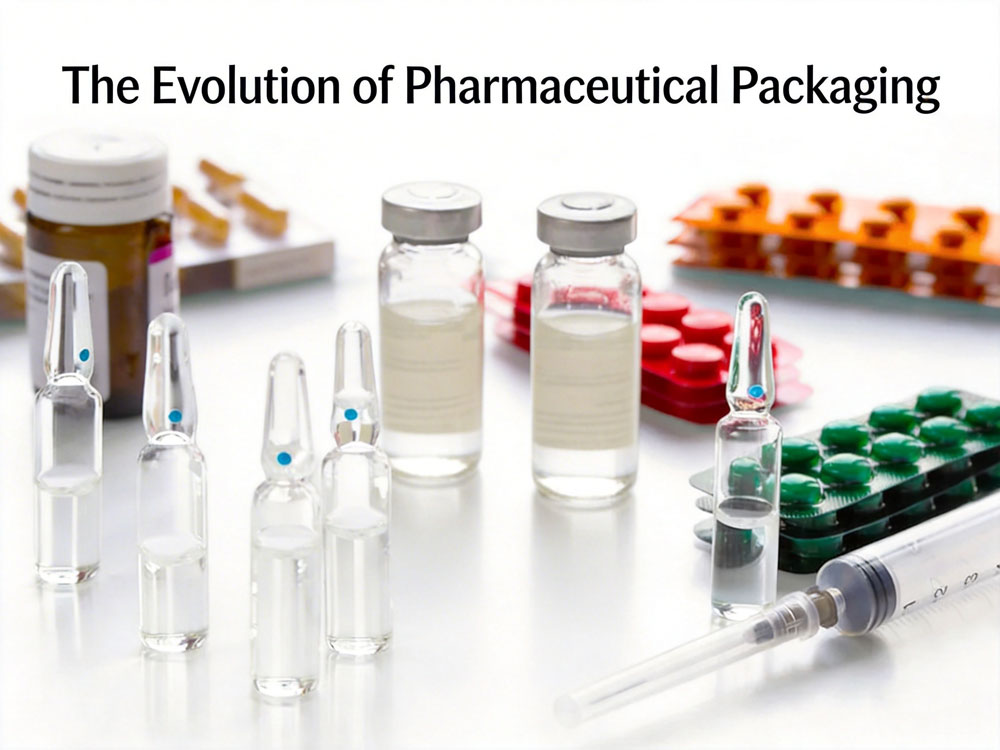
The Changing Landscape of Pharmaceutical Packaging
1. The Rise of Smart Packaging
Smart packaging is revolutionizing the pharmaceutical industry by providing real-time information about the product and its environment. This includes features such as temperature sensors, humidity sensors, and tamper-evident seals, which help to ensure the safety and efficacy of the medication. For example, some smart packaging solutions can alert patients when it’s time to take their medication, or notify healthcare providers if the medication has been exposed to extreme temperatures.
2. The Growing Importance of Sustainability
Sustainability is becoming an increasingly important consideration in the pharmaceutical packaging industry. Consumers are demanding more environmentally friendly packaging solutions, and governments are introducing stricter regulations to reduce waste and promote recycling. As a result, pharmaceutical companies are exploring new materials and technologies that are more sustainable, such as biodegradable plastics and paper-based packaging.
3. The Impact of Digitalization
Digitalization is also having a significant impact on the pharmaceutical packaging industry. With the rise of e-commerce and direct-to-consumer sales, pharmaceutical companies are looking for ways to enhance the customer experience through digital packaging solutions. This includes features such as QR codes, which allow consumers to access additional information about the product, and augmented reality, which can provide a more immersive shopping experience.
Key Innovations in Pharmaceutical Packaging
1. Active and Intelligent Packaging
Active and intelligent packaging is designed to interact with the product and its environment to improve its safety, efficacy, and shelf life. This includes features such as oxygen scavengers, moisture absorbers, and antimicrobial coatings, which help to protect the medication from degradation. For example, some active packaging solutions can release a controlled amount of a preservative to prevent the growth of bacteria and fungi.
2. Nanotechnology in Packaging
Nanotechnology is also being used to develop innovative packaging solutions for the pharmaceutical industry. Nanomaterials can be used to create barrier films that are more effective at blocking oxygen, moisture, and other contaminants, which can help to extend the shelf life of the medication. Additionally, nanotechnology can be used to create smart packaging solutions that can detect changes in the product’s environment and alert consumers or healthcare providers.
3. 3D Printing in Packaging
3D printing is another emerging technology that is having a significant impact on the pharmaceutical packaging industry. With 3D printing, pharmaceutical companies can create custom packaging solutions that are tailored to the specific needs of the product and the patient. This includes features such as personalized dosages, which can help to improve patient compliance, and unique packaging designs that can enhance the brand image.
The Future of Pharmaceutical Packaging
1. The Integration of Artificial Intelligence
Artificial intelligence (AI) is expected to play an increasingly important role in the pharmaceutical packaging industry in the future. AI can be used to optimize the design of packaging solutions, predict the shelf life of the medication, and monitor the quality of the product during production and distribution. Additionally, AI can be used to develop personalized packaging solutions that are tailored to the specific needs of the patient.
2. The Development of Biodegradable and Compostable Packaging
Biodegradable and compostable packaging is expected to become more prevalent in the pharmaceutical packaging industry in the future. As consumers become more environmentally conscious, they are demanding packaging solutions that are more sustainable and less harmful to the environment. Biodegradable and compostable packaging materials can break down naturally in the environment, reducing the amount of waste that is generated.
3. The Growth of Direct-to-Consumer Sales
The growth of direct-to-consumer sales is also expected to have a significant impact on the pharmaceutical packaging industry in the future. With the rise of e-commerce and online pharmacies, pharmaceutical companies are looking for ways to enhance the customer experience through packaging solutions that are more convenient and user-friendly. This includes features such as easy-to-open packaging, which can help to improve patient compliance, and personalized packaging, which can help to build brand loyalty.
Conclusion
The pharmaceutical packaging industry is undergoing a period of rapid change and innovation. As technological advancements continue to drive the industry forward, we can expect to see new and innovative packaging solutions that are more sustainable, more intelligent, and more personalized. By embracing these changes, pharmaceutical companies can improve the safety, efficacy, and customer experience of their products, and position themselves for success in the future.