
Laser engraving on glass is a precise, non-contact surface processing technology that permanently alters glass surfaces through controlled thermal interaction. Unlike machining or sandblasting, laser methods do not require physical tooling or consumables, enabling consistent, repeatable results across production environments. This versatility has made laser glass engraving an increasingly strategic tool in industries from luxury goods and packaging to automotive, medical, and electronics sectors.
Contents
How Lasers Interact with Glass
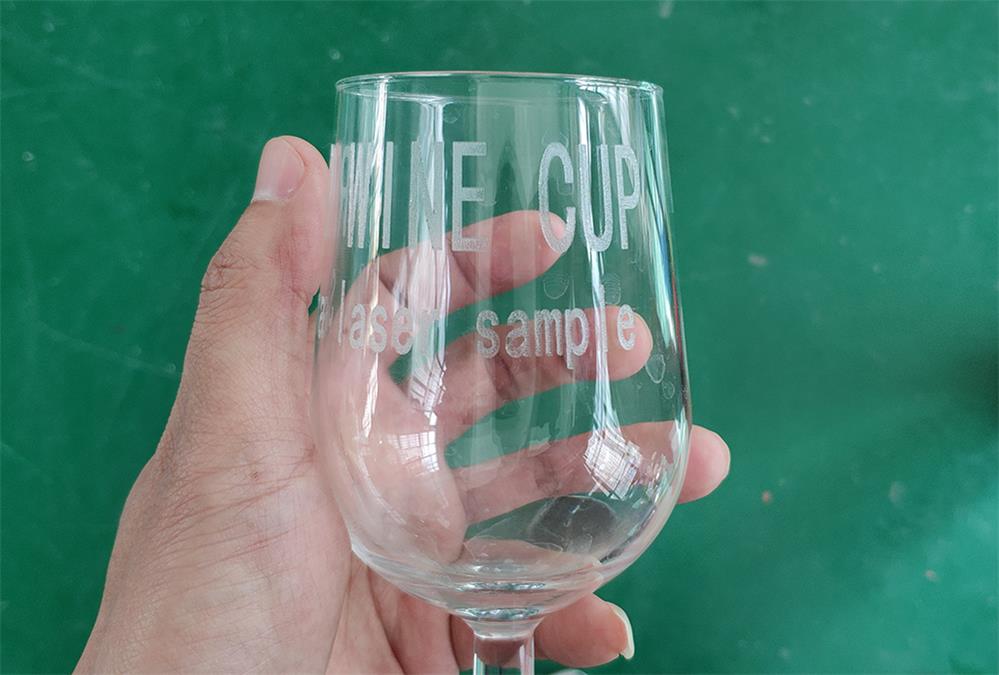
Glass is primarily composed of silica (silicon dioxide) and may include other minerals to modify properties like color, strength, or thermal response. When a laser interacts with glass, the energy does not typically remove material via ablation in the way it does with metals; instead, rapid heating causes microfractures and localized expansion on the surface. These microfractures scatter light, producing a frosted or matte appearance that is visible as an engraving.
Different classes of glass behave differently under laser exposure. For example:
- Soda-lime glass, used in most drinking glasses, bottles, and architectural panes, tends to be more forgiving due to its lower melting point and consistent thermal expansion properties.
- Borosilicate glass resists cracking from rapid thermal changes, making it suitable for higher-precision or high-temperature applications.
- Glasses with heavy metal additives (e.g., lead crystal) are more prone to cracking and require careful parameter control.
Understanding glass chemistry and thermal stress behavior is crucial for successful laser engraving — incorrect settings can lead to breakage, shards, or unduly weak structural points. This distinction separates laser engraving from more traditional approaches like sandblasting or chemical etching, which rely on mechanical or reactive removal of material.
Common Laser Technologies for Glass
Several laser types are used in glass processing, each optimized for different effects:
CO₂ Lasers:
These are the workhorse for glass engraving in industrial environments. Operating at longer wavelengths that glass absorbs well, CO₂ lasers produce consistent surface engraving with minimal cracking. They excel at generating frosted, visible marks on flat or curved surfaces without consumables or masking.
Ultraviolet (UV) Lasers:
UV lasers have higher photon energy, enabling finer micro-marking with reduced heat stress. This often results in higher contrast and greater detail, especially beneficial for microtext, fine logos, or 2D codes directly on glass.
Green Wavelength Lasers:
Green lasers are designed to interact efficiently with transparent, reflective, or heat-sensitive materials. They can deliver detailed graphics and high-speed marking with reduced defect risk compared to broad-spectrum infrared lasers.
The choice among these technologies depends on the application’s priorities — speed vs. detail vs. thermal load. In many manufacturing settings, multiple laser types coexist to balance throughput with high-resolution marking demands.
Processes and Design Workflow
Laser engraving on glass typically follows a structured workflow:
- Digital Design Preparation: Create vector or raster images using graphics software, ensuring high resolution and correct layout for cylindrical or flat surfaces.
- Parameter Optimization: Adjust laser power, speed, pulse frequency, and focus to match the specific glass type and desired effect. Test runs on sample pieces are standard practice before full production.
- Engraving Execution: The laser system applies the pre-programmed pattern, translating digital design into microfractured features.
- Post-Processing: Surface cleaning removes residual glass dust and ensures optimum visual quality. For complex pieces, mirrors or curved objects may require specialized fixturing and software compensation for depth-of-field variations.
A disciplined approach to parameter tuning is essential. Too much power or improper focus can cause cracking or product loss, while insufficient energy results in weak markings that lack contrast or longevity.
Applications Across Industries
Laser glass engraving has become widespread due to its precision and permanence. Key industry segments include:
- Luxury Packaging and Branding: Engraving logos, batch numbers, and decorative patterns on premium bottleware enhances product identity and reduces counterfeiting risk.
- Consumer Goods Personalization: Customized glass trophies, awards, home décor, and gifts benefit from high-resolution text and graphics.
- Automotive Components: Vehicle glass parts such as side windows, mirrors, and lighting elements can be marked with identifiers or functional codes without mechanical contact.
- Medical and Pharmaceutical: Traceability marks on vials, tubes, and medical glassware must withstand sterilization without degrading readability.
- Electronics and Optical Devices: Precision text and markers on glass lenses, screens, and instruments often require UV or green lasers to minimize heat loading.
Unlike traditional etching or sandblasting, laser methods scale effortlessly for mass production and integrate effectively into automated manufacturing lines.
Market Trends and Strategic Shifts
The glass laser engraving and etching equipment market is positioned for strong growth, with projections indicating robust compound annual growth rates driven by broader adoption and technological improvements. Growth drivers include:
- Customization Demand: Consumers and brands alike seek highly personalized and unique products.
- Sustainable Manufacturing: Laser processes generate no chemical effluent and minimal waste compared to etching or sandblasting.
- Industry 4.0 Integration: Real-time monitoring, IoT connectivity, and advanced software analytics increase uptime, optimize quality, and reduce manual setup time.
- Automation and Robotics: Laser engraving systems increasingly integrate with robotic handling for end-to-end production workflows.
From a strategic perspective, adopting laser engraving technology is more than aesthetic enhancement — it is a value-chain enabler. Permanent laser marks support product traceability, regulatory compliance, and anti-counterfeit measures, which are critical in regulated sectors like healthcare, aerospace, and automotive.
Challenges and Practical Considerations
While laser engraving is highly versatile, glass processing presents unique challenges:
- Thermal Stress: Improper settings can induce cracks. Achieving a balance between marking depth and structural integrity demands skilled tuning.
- Material Variation: Not all glass types engrave equally; factors like composition and thickness affect outcomes.
- Safety and Dust Control: Glass microfractures may produce fine dust or particles; appropriate exhaust and filtration systems are necessary.
Compared to techniques that mechanically remove material, laser engraving requires a deeper understanding of thermal effects and beam control. Investing in skilled operators and robust parameter libraries pays dividends in yield and quality.
Personal Insight on Technological Adoption
Laser engraving on glass represents a broader shift in manufacturing toward precision materials processing. As industry standards for traceability, customization, and sustainability rise, lasers have evolved from niche marking tools to core assets in digital production ecosystems. Companies that leverage the full spectrum of laser technologies — from CO₂ to UV and green wavelengths — can differentiate products not just by design, but by manufacturing agility and data-driven quality control.
In my assessment, the true competitive advantage of laser glass engraving lies in its integration with digital workflows: automated setup, real-time adjustment, and seamless transition from CAD to finished product. Firms that treat laser systems as instrumented components of smart factories will outperform those that see them as standalone engraving devices.