
Home › Forums › Laser Marking Forum › Glass Engraving & Marking for High-Precision Manufacturing
- This topic is empty.
-
AuthorPosts
-
03/17/2026 at 4:48 AM #840
Dwmin
KeymasterIn the age of advanced manufacturing and mass customization, glass is no longer just a passive material—it has become a carrier of identity, data, and design. From luxury packaging to smart electronics and architectural installations, the demand for high-precision glass surface processing is rising rapidly.
Among the technologies driving this transformation, glass surface relief engraving and laser marking stand out as a breakthrough. They do more than decorate—they redefine how glass interacts with light, texture, and information.
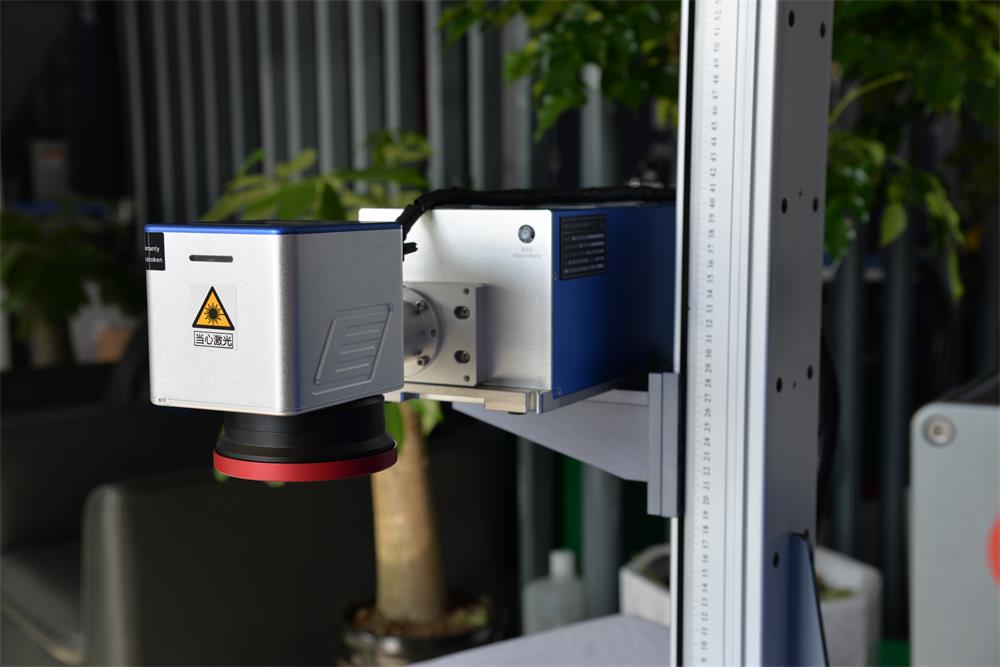
The Rise of Glass Processing in a Data-Driven World
Glass is everywhere: smartphones, vehicles, laboratories, buildings, and consumer packaging. Global industrial data suggests that glass remains a core material across multiple trillion-dollar industries, yet its processing methods are still evolving.
Traditional techniques such as sandblasting or chemical etching struggle to meet modern demands:
-
limited precision
-
inconsistent results
-
high labor intensity
-
environmental concerns
Laser-based engraving changes this completely. It introduces a digitally controlled, non-contact method capable of micron-level accuracy and scalable production.
What Is Glass Surface Relief Engraving?
Relief engraving on glass refers to creating textured, three-dimensional patterns either on or beneath the surface. Unlike simple marking, relief structures interact with light, producing depth, contrast, and visual complexity.
The process typically works by:
-
inducing micro-fractures or controlled ablation on the surface
-
forming frosted or satin textures through energy concentration
-
layering multiple passes to build depth and relief effects
Advanced techniques even enable subsurface engraving, where patterns appear suspended inside the glass, creating a floating 3D effect without damaging the outer surface.
This is not just engraving—it is light engineering on a transparent medium.
Why Laser Technology Dominates Glass Marking
Glass is a difficult material: brittle, transparent, and highly sensitive to thermal stress. Mechanical tools often cause cracks, while ink-based methods fade or peel over time.
Laser technology solves these challenges through several key advantages:
1. Non-Contact Precision
Laser beams interact with glass without physical pressure, reducing the risk of breakage or deformation.
2. Permanent and Wear-Resistant Marking
Engraved patterns become part of the material itself, resistant to chemicals, abrasion, and environmental exposure.
3. Micron-Level Detail
Modern systems achieve extremely fine engraving, enabling micro-text, QR codes, and intricate artistic designs.
4. Eco-Friendly Production
No inks, solvents, or consumables are required, making it a cleaner alternative to traditional methods.
5. High-Speed Automation
Laser systems integrate seamlessly into production lines, enabling continuous, high-volume marking with consistent quality.
From Decoration to Function: Expanding Applications
Glass relief engraving is no longer limited to decorative purposes. Its applications are expanding into critical industrial and technological domains.
Luxury Packaging & Branding
Premium beverage and cosmetic brands use relief engraving to create tactile logos and anti-counterfeiting features directly on glass surfaces.
Electronics & Smart Devices
In touchscreens and optical components, laser marking enables micro-scale patterns without compromising transparency or structural integrity.
Medical & Laboratory Glassware
Permanent markings ensure traceability and durability under extreme sterilization conditions.
Architecture & Interior Design
Relief-engraved glass panels are used to manipulate light, creating dynamic visual effects in modern buildings.
Art & Personalization
From trophies to custom gifts, 3D engraving transforms glass into a medium of storytelling and identity.
The Technology Behind the Evolution
Different laser types enable different engraving effects:
-
CO₂ lasers: ideal for surface frosting and deeper engraving
-
UV lasers: enable ultra-fine, “cold” marking with minimal heat impact
-
Picosecond lasers: deliver extreme precision with reduced thermal damage
The key innovation lies in controlling energy, pulse duration, and wavelength. Shorter wavelengths and ultra-fast pulses allow precise material modification without cracking—a critical breakthrough for fragile materials like glass.
Breaking the Traditional Mindset
Most manufacturers still think of glass engraving as a cosmetic process. This view is outdated.
Glass surface relief engraving is evolving into:
-
a data encoding tool (QR codes, traceability)
-
a security feature (anti-counterfeiting marks)
-
a functional surface modifier (optical or tactile performance)
In advanced applications, engraving is not just about what you see—it’s about what the surface does.
This shift represents a broader transformation:
Glass is no longer just transparent—it is becoming interactive, intelligent, and information-rich.
The Future: From Surface to Structure
Emerging technologies such as laser-induced deep etching (LIDE) are pushing glass processing even further, enabling micro-structures within the material itself for electronics and semiconductor applications.
This signals a future where:
-
glass components carry embedded circuits
-
optical elements are directly structured by lasers
-
surfaces become multifunctional interfaces
Relief engraving is only the beginning—it is the gateway to full structural engineering of glass using light.
Conclusion
Glass surface relief engraving and marking represent a convergence of design, manufacturing, and digital technology. What was once a decorative technique has become a strategic tool for industries seeking precision, durability, and differentiation.
By combining non-contact processing, high precision, and scalability, laser engraving is transforming glass from a passive material into an active platform for innovation.
In the coming years, the real value of this technology will not lie in how beautifully it decorates glass—but in how effectively it turns glass into a functional, intelligent surface shaped by light itself.
-
-
AuthorPosts
- You must be logged in to reply to this topic.