
Home › Forums › Laser Marking Forum › Leaf Engraving & Natural Material Marking
Tagged: Leaf Engraving
- This topic is empty.
-
AuthorPosts
-
03/20/2026 at 4:31 AM #853
Dwmin
KeymasterIn an era dominated by synthetic materials and mass production, a quiet but powerful shift is emerging:
a return to natural substrates—leaves, wood, bamboo, cork, leather—as canvases for precision marking.Leaf engraving, once seen as a niche artistic experiment, is evolving into a broader industrial and creative movement:
natural material marking.This is not just about aesthetics.
It reflects deeper changes in sustainability, personalization, and how humans reconnect with material origins.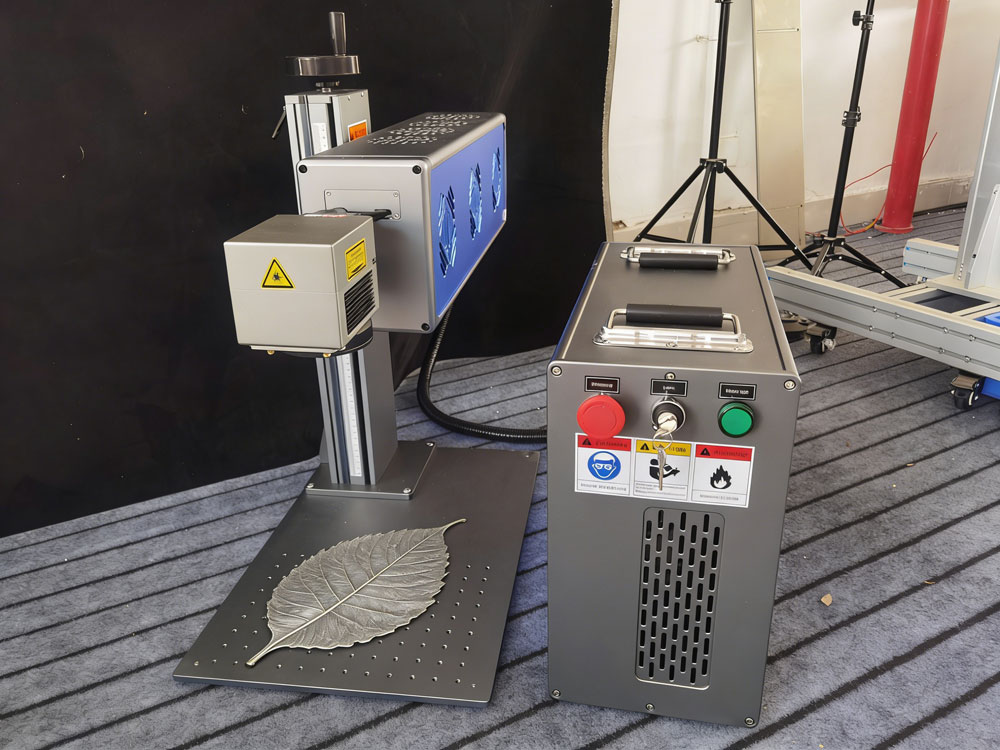
1. Why Natural Materials Are Re-entering Modern Production
Global material trends show a clear pattern:
-
Rising demand for eco-friendly products
-
Consumer fatigue with plastic-based goods
-
Increased regulatory pressure on synthetic waste
-
Growth of “authentic” and handmade aesthetics
Natural materials offer:
-
biodegradability
-
low environmental impact
-
unique textures and organic variability
But historically, they lacked precision and scalability.
That is where modern marking technologies—especially laser systems—change the equation.
2. Leaf Engraving: From Fragile Surface to Precision Canvas
A leaf is one of the most delicate materials imaginable:
-
thin structure
-
high moisture sensitivity
-
uneven surface density
Traditional methods cannot handle it. Ink bleeds, pressure destroys it.
Laser engraving, however, operates without contact, allowing:
-
micro-level control of energy
-
surface carbonization without penetration
-
preservation of structural integrity
The result:
-
intricate patterns
-
photographic-level detail
-
zero physical damage
Insight:
Leaf engraving is not about engraving—it is about controlling energy at the edge of material tolerance.
3. The Expansion: Beyond Leaves to a Full Natural Ecosystem
What starts with leaves quickly extends to a wide range of materials:
-
Wood → signage, furniture branding
-
Bamboo → sustainable consumer goods
-
Cork → packaging and accessories
-
Leather → fashion and personalization
Each material reacts differently:
-
Wood carbonizes
-
Leather darkens
-
Cork vaporizes lightly
-
Leaves discolor at micro-levels
This diversity creates a new design language:
material-driven aesthetics rather than ink-driven visuals.
4. The Data Behind the Shift
Market indicators suggest rapid growth in this segment:
-
The global personalized goods market continues to expand, driven by customization demand
-
Sustainable product categories are outpacing traditional manufacturing growth rates
-
Small-batch and on-demand production models are replacing large inventory cycles
Natural material marking sits at the intersection of all three:
-
personalization
-
sustainability
-
flexible production
Conclusion:
This is not a trend—it is a structural shift in manufacturing priorities.
5. Sustainability: From Marketing Claim to Material Reality
Many industries claim sustainability while relying on synthetic inputs.
Natural material marking changes that dynamic:
-
No ink or chemical dyes required
-
Minimal waste generation
-
Lower environmental footprint
However, a critical nuance is often ignored:
Using natural materials does not automatically mean sustainability.
Unsustainable harvesting, poor sourcing, or short product lifecycles can negate benefits.
Real sustainability = material + process + lifecycle control
6. The Rise of “Organic Precision”
For decades, manufacturing pursued uniformity:
-
identical outputs
-
perfect replication
-
zero variation
Natural materials resist this logic.
Every leaf, every piece of wood is unique.
Laser marking introduces a new paradigm:
precision applied to non-uniform materials
This creates a hybrid aesthetic:
-
controlled design
-
organic variation
New perspective:
Imperfection is no longer a flaw—it is a feature enhanced by precision.
7. Applications: Where Nature Meets Industry
Natural material marking is expanding across sectors:
Art & Design
-
engraved leaves as collectibles
-
custom wooden artworks
Packaging
-
eco-friendly branding on wood or cork
-
premium natural product packaging
Fashion
-
engraved leather accessories
-
bamboo-based wearable products
Corporate & Promotional
-
sustainable gifts
-
personalized eco-products
Cultural Preservation
-
engraving traditional patterns on organic materials
-
merging heritage with modern technology
8. Challenges Most People Ignore
Despite its appeal, this field faces real constraints:
-
material inconsistency affects repeatability
-
environmental conditions (humidity, temperature) impact results
-
processing speed is slower compared to synthetic substrates
-
scalability remains complex for mass production
Hard truth:
Natural materials resist industrial standardization.But that resistance is also their value.
9. The Future: From Surface Marking to Material Intelligence
The next evolution goes beyond decoration.
Emerging directions include:
-
embedding scannable codes into natural materials
-
linking physical objects to digital identities
-
integrating traceability into eco-products
Imagine:
-
a wooden product that carries its origin data
-
a leaf artwork linked to digital ownership
-
packaging that tells its sustainability story through embedded marks
This is where natural materials meet the digital economy.
Final Insight: The Industry Is Thinking Too Mechanically
Most companies approach this field as:
“How do we engrave on natural materials?”
That is the wrong question.
The right question is:
“How do we redesign production around materials that are alive, variable, and finite?”
Conclusion
Leaf engraving and natural material marking represent more than a creative niche. They signal a broader transformation:
-
from synthetic to organic substrates
-
from mass production to personalization
-
from uniformity to controlled variability
-
from decoration to data integration
The real breakthrough is not technological—it is philosophical:
We are no longer forcing materials to behave like machines.
We are learning to design with their nature. -
-
AuthorPosts
- You must be logged in to reply to this topic.